

Council / Region
Local coverage for public facilities, emergency response, rural service gaps, and community infrastructure.
PulseM gives councils, communities, campuses, utilities, and neutral-host operators one shared coverage model with local control.
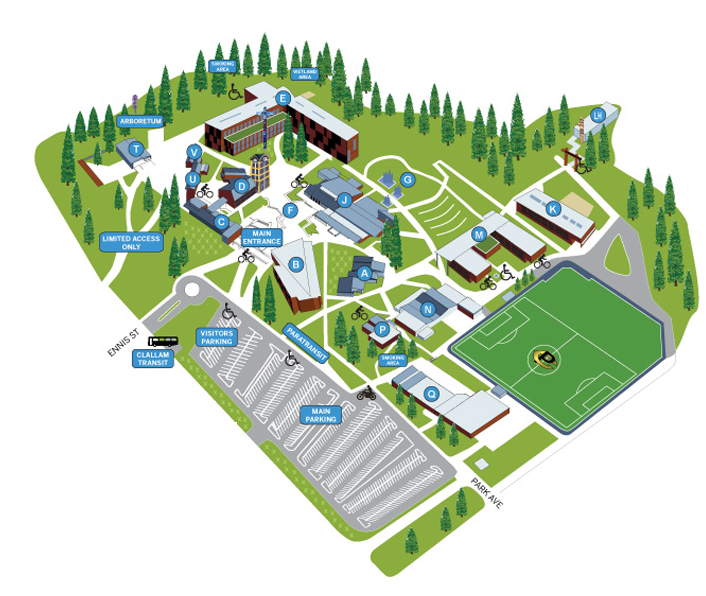
Local coverage for public facilities, emergency response, rural service gaps, and community infrastructure.
A trust, co-op, or local broadband group can operate a shared coverage footprint without becoming a national carrier.
One local network can serve workers, sensors, security, and OT workloads while keeping operational control on site.
A site owner can host coverage for multiple operator, enterprise, or public-sector tenants under one physical footprint.
PulseM sizes the radio, site, and transport plan for a local coverage gap.
Local core control allows councils, utilities, campus teams, and operator partners to be separated by service need.
Public safety, OT, video, and utility data can stay on local paths when the use case requires it.
Newland scopes site coverage, users, spectrum assumptions, backhaul, budget, and timeline before procurement expands.
Coverage cost can be justified across public, enterprise, utility, and community users.
The program defines who owns access, service rules, support, and escalation before launch.
A local footprint can move faster than a broad carrier rollout or a multi-vendor pilot.
Auckland-based delivery. Bring the place, users, budget, spectrum assumption, and timeline. We will map the shared coverage path.
Contact engineering